
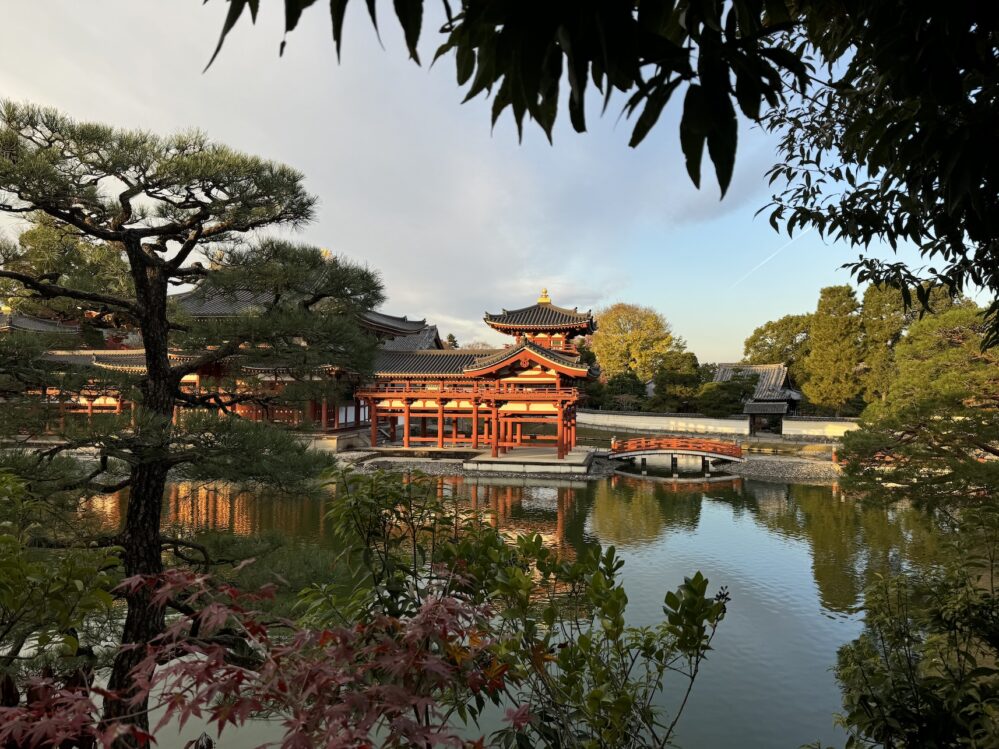

SPECIAL CORRESPONDENT Stephen Bugno loves riding bikes around the world. Previously, he’s written about riding in South Korea and in Taiwan. Learn more about his adventures at Bohemian Traveler.
Cycling is an excellent way to explore the Kansai Region of Japan, which includes Osaka, Kyoto, Nara, Kobe, and more.
In past trips to Japan, I have almost exclusively traveled by train. Japan has one of the world’s most comprehensive, efficient, and comfortable rail systems. And while I plan to someday zip around this California-sized country for the third time on a high-value, multi-day Japan Rail Pass, I wanted to see the country from a different speed.
Changing your travel speed is one of the best ways to gain a different perspective on a place you’ve already visited. It’s nice to explore new countries, but also worthwhile to return to places to dig deeper into the culture, food, society, or whatever interest or hobby you hold.
So, I returned to Japan to bike.

Why Kansai Region?
Despite Tokyo being the country’s biggest city and an obvious starting point for travel in Japan, the Kansai Region is arguably the choice for culture, history, and cuisine. Osaka, the country’s third biggest city, and its world-class Kansai International Airport are the gateway to Kansai and cities like Kyoto, Nara, Kobe, and more off-the-beaten-path places like Uji, Mount Koya, and the Kumano Kodo pilgrimage route (which I walked a few years earlier).
Renting a bike in Osaka
It is becoming increasingly common for bike shops around the world to rent a variety of bikes, ranging from touring bikes to high-end road bikes. This makes it easier for a wider variety of recreational cyclists to plan a bike tour without having to deal with the logistics of packing a bike. While traveling with your bike might have obvious advantages for cycling trips of more than two weeks, renting is the smart choice if you’re doing a short bike trip.
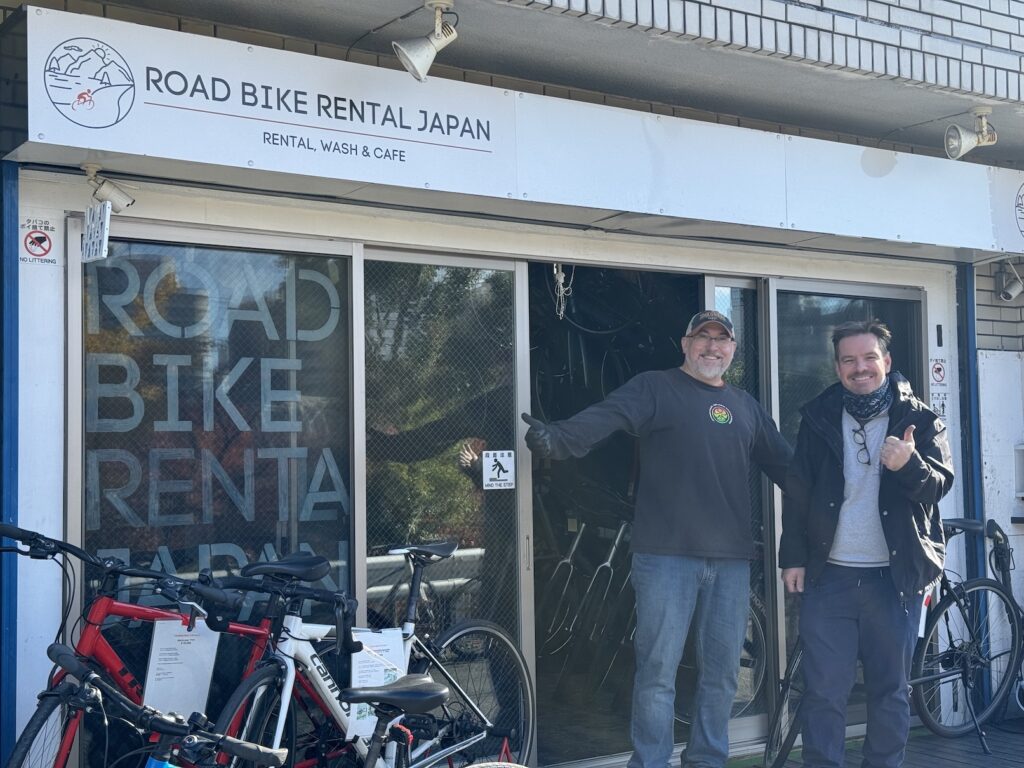
In Osaka, I rented a Cannondale road bike from Road Bike Rental Japan, which also has a shop in Kyoto. I was only going overnight, so I used a large saddle bag to hold my lightweight, non-riding clothing as well as the next day’s riding outfit. I kept energy bars and other lightweight items in a small backpack. (Never carry a lot of weight on your back while cycling, you’ll quickly regret it.) For extended bike tours, consider renting a bike with a rear rack using rear panniers to carry your gear.
Temples and Green Tea
I had previously visited Kyoto and Nara, which are excellent destinations. On this trip, I set my sights on Uji, a lesser-visited city located midway between Kyoto and Nara, known for its temples as well as for growing the finest tea in Japan. Here, you’ll find high-quality Uji matcha, which has been cultivated in the region for centuries, as well as many tea shops to drink and purchase it.
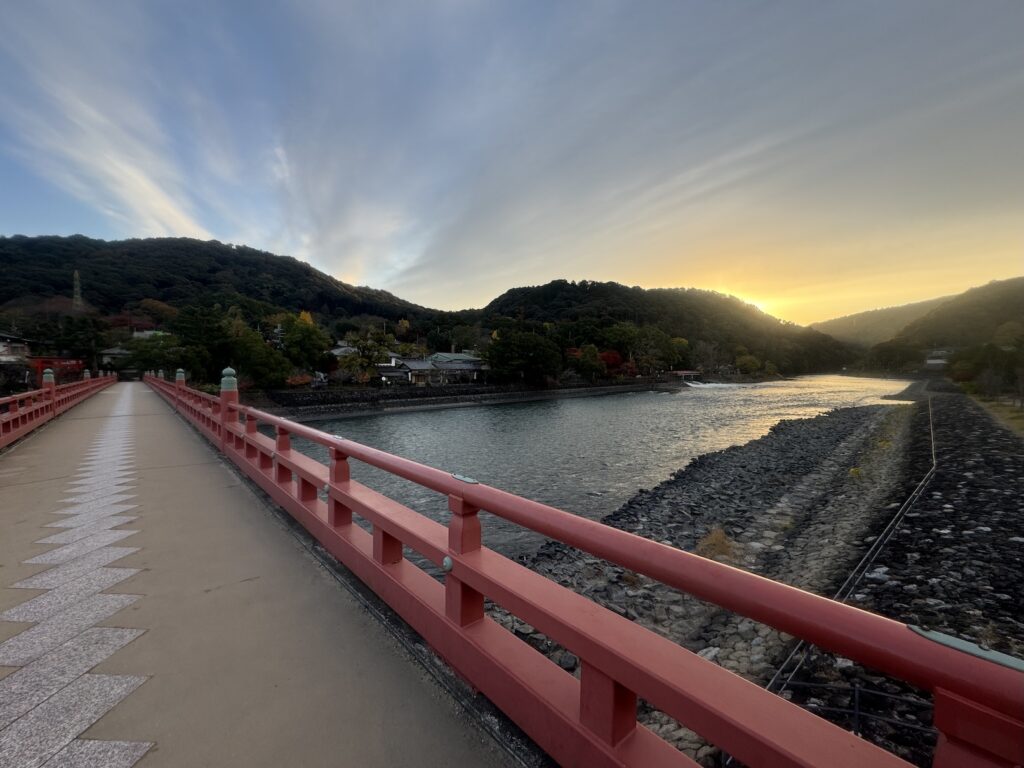
Uji is also the location of the Byōdō-in Temple, a UNESCO World Heritage site and home of the renowned Phoenix Hall, depicted on the Japanese 10-yen coin. You can also visit the Ujigami Shrine, Japan’s oldest Shinto shrine, and enjoy serene river views, ancient tea houses, as well as spring cherry blossoms and autumn leaves.
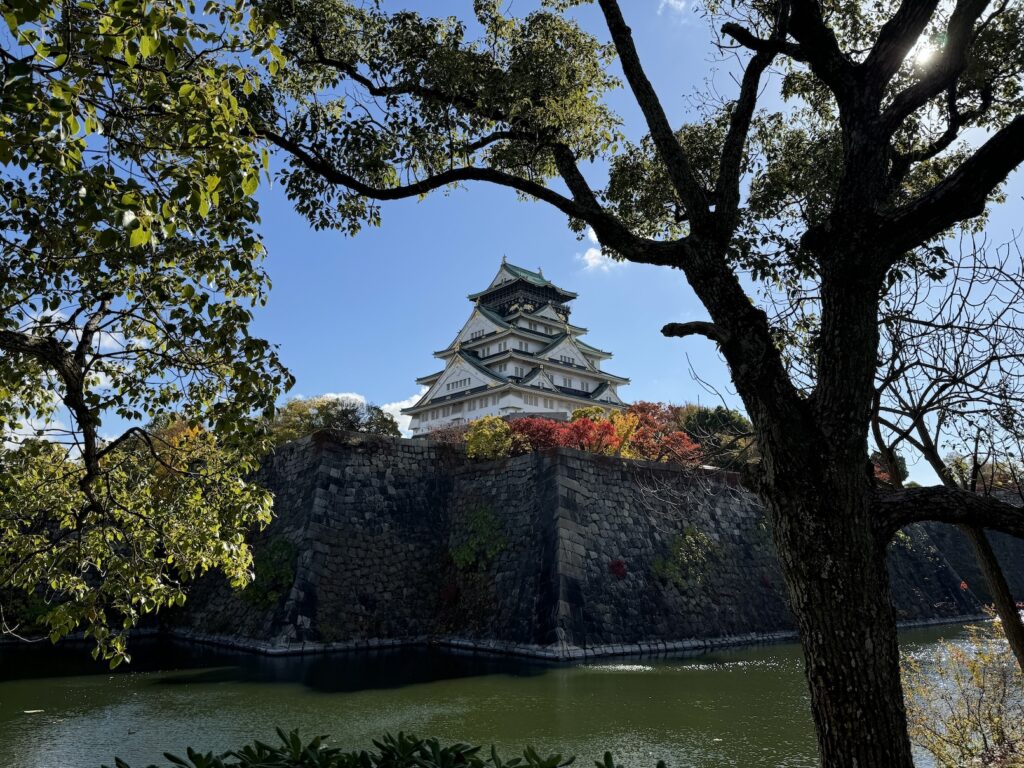
My route to Uju began in Osaka with a warmup along the O River. It was a warm and sunny morning, and I wanted to see Osaka Castle before leaving the city. It is a stately, picture-perfect castle set behind two moats, and I peddled around its outer pathways lined with bright yellow ginkgo trees showing off their autumn leaves.
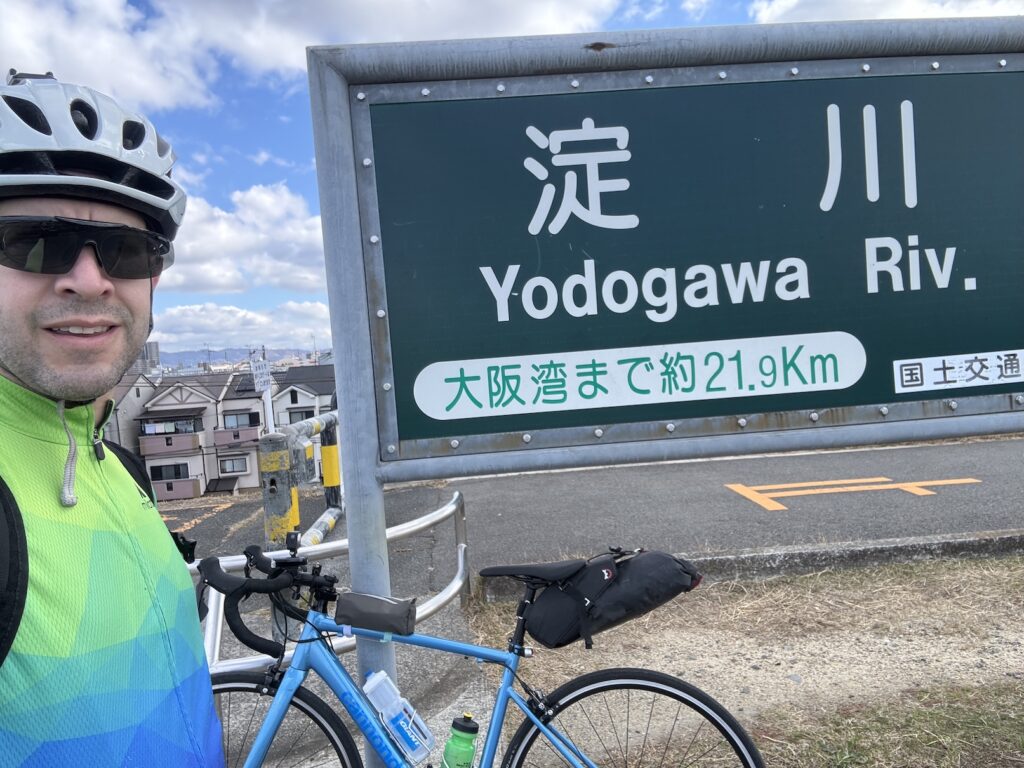
Most of the rest of my 40-mile ride to Uji was spent along the Yodo River, with its wide cycle paths on both banks. A little over halfway, I stopped at Sakura Deai Hall Watchtower, which is a scenic area with an observation deck. In the spring, its many blossoms are a huge regional draw, but in December, it was still a nice place to stop for a drink and a snack I had picked up at the convenience store. Onigiri, or Japanese rice balls, are offered in many varieties at the ubiquitous convenience stores found throughout Japan.
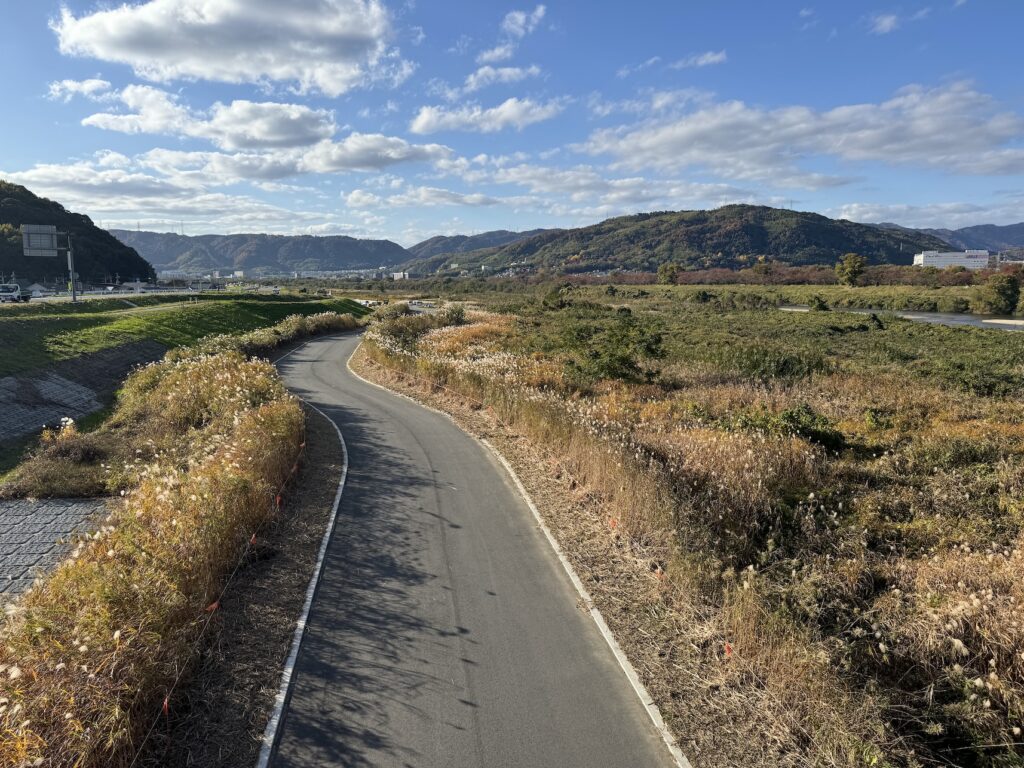
After Sakura Deai, I continued along the Uji River pathway, and eventually rode along a busy street. Road shoulders in Japan are not usually wide, but cars are smaller, and drivers are generally courteous. In Uji, I got a room at a small guest house which had free beer on tap! (No, this is not normal, haha.)
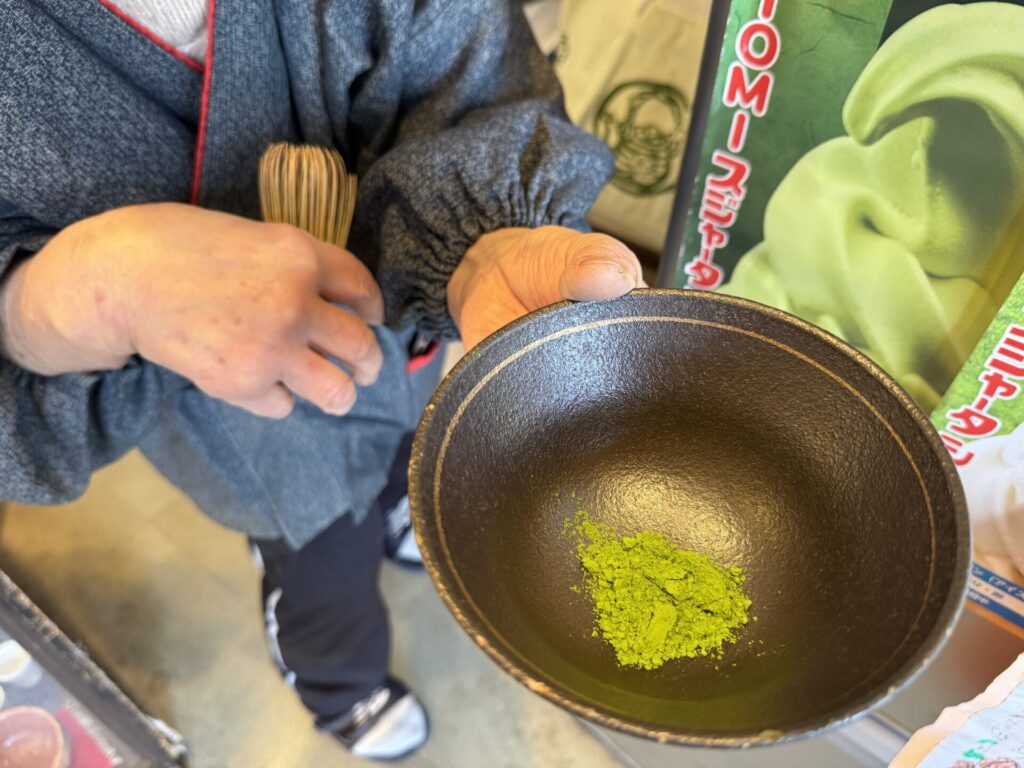
The next morning, I was up early and exploring the temples and shrines of Uji before most people were up. I tasted tea at a couple of shops when they opened and bought some tea to take home. I set off for Osaka, taking the long way back, though the mountains to Lake Biwa, eventually linking back to the Yodo River paths. For lunch, I found a casual udon restaurant and restored my energy with a set meal including udon soup and tempura. I finished the day, clocking 54 miles, which wasn’t bad considering I spent the morning sightseeing and tea-tasting.
Ideally, I would have liked to cycle for more than 2 days, but this trip was primarily about proving a concept. Earlier in the year, I had already spent 10 days cycling around Taiwan and a week biking the length of South Korea. This trip was shorter and mostly to visit friends in Kobe. I just added a couple of extra days to my flight from Seoul to make the bike ride portion.
Kansai Region is packed with historic temples, centuries-old rituals, and excellent local cuisine, and there are no wrong destinations. Numerous bike paths and side roads connect the cities and towns, and it takes a little bit of research to plan your route. I looked for recommendations online, including blogs, as well as analyzing heatmaps on Strava and routes on RideWithGPS.

Other destinations in Kansai
Kyoto and Nara are two of the most obvious destinations for cycling in Kansai. Although Kyoto has become increasingly touristy in recent years, it remains the epicenter for experiencing Japan’s cultural and historical roots. Once Japan’s imperial capital, Kyoto is famed for its stunning temples, traditional wooden townscapes, tea houses, and seasonal beauty.
Nara, 30 miles to the south, offers a quieter but equally historic experience. As Japan’s first permanent capital, it’s home to Tōdai-ji (temple), which houses the Great Buddha, and Nara Park, where deer roam freely. Both cities offer beautifully preserved architecture, serene gardens, and a glimpse into Japan’s spiritual heritage through countless shrines and temples.
Either of these destinations blends history, nature, and tradition that is unique to Japan.
Little discoveries made while traveling in Japan
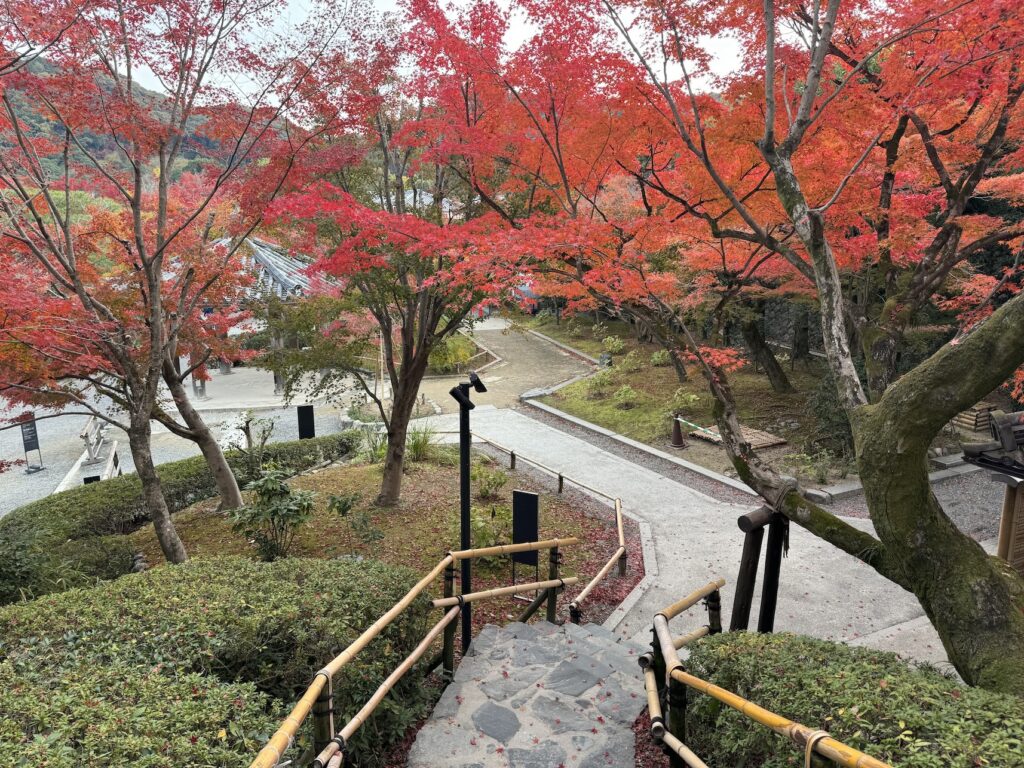
In my experiences traveling in Japan, I always make little discoveries along the way. I don’t even have to have a tourist sight on my agenda. It could just be walking (or cycling) around the city. There are often little shrines tucked into a corner of the city or a neighborhood temple. That which is commonplace in Japan is fascinating to a foreigner. It could also be navigating the ubiquitous screens to order lunch, or discovering the heated toilet seat or warm water bidets built into toilets.
Where to stay
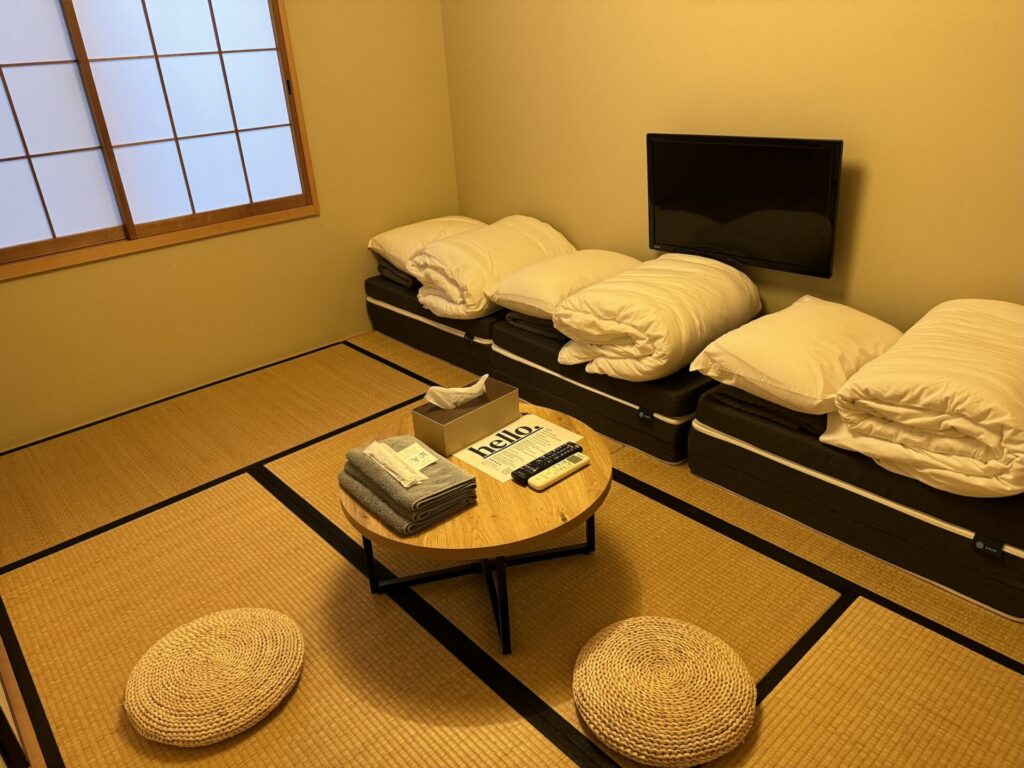
Accommodation can also be part of the experience, depending on where you stay. Ryokan are traditional Japanese inns offering tatami-matted rooms, futon bedding, and often communal hot spring baths (onsen). Guests enjoy multi-course kaiseki dinners and personalized hospitality.
For budget-minded travelers, hostels are also available and often cleaner and more comfortable than you might imagine. Hostel beds are often sectioned into cubes or have curtains for privacy. Many hostels offer single rooms as well.
On this particular trip, I stayed at a spa capsule hotel on the night I arrived, before I picked up my bike. Capsule hotels were initially built for Salarymen who missed the last train home after a night out on the town and needed a cheap bed to sleep in. Today, travelers appreciate their novelty and budget prices. I like the included spa!
One time in Japan, I even stayed overnight in an internet cafe! But I wouldn’t recommend that.
Japan is cheaper than ever
Recently, the favorable exchange rate has meant Japan is a great travel bargain. In former times, Japan was an expensive country to travel. Also, flights to Japan have come down in price, especially if you avoid high season, which is generally considered spring (March to May) and autumn (September to November).
As I publish my videos from my rides in Japan, they’ll be in this Cycling Japan Playlist on YouTube.

[photo11]
Share this Post
