
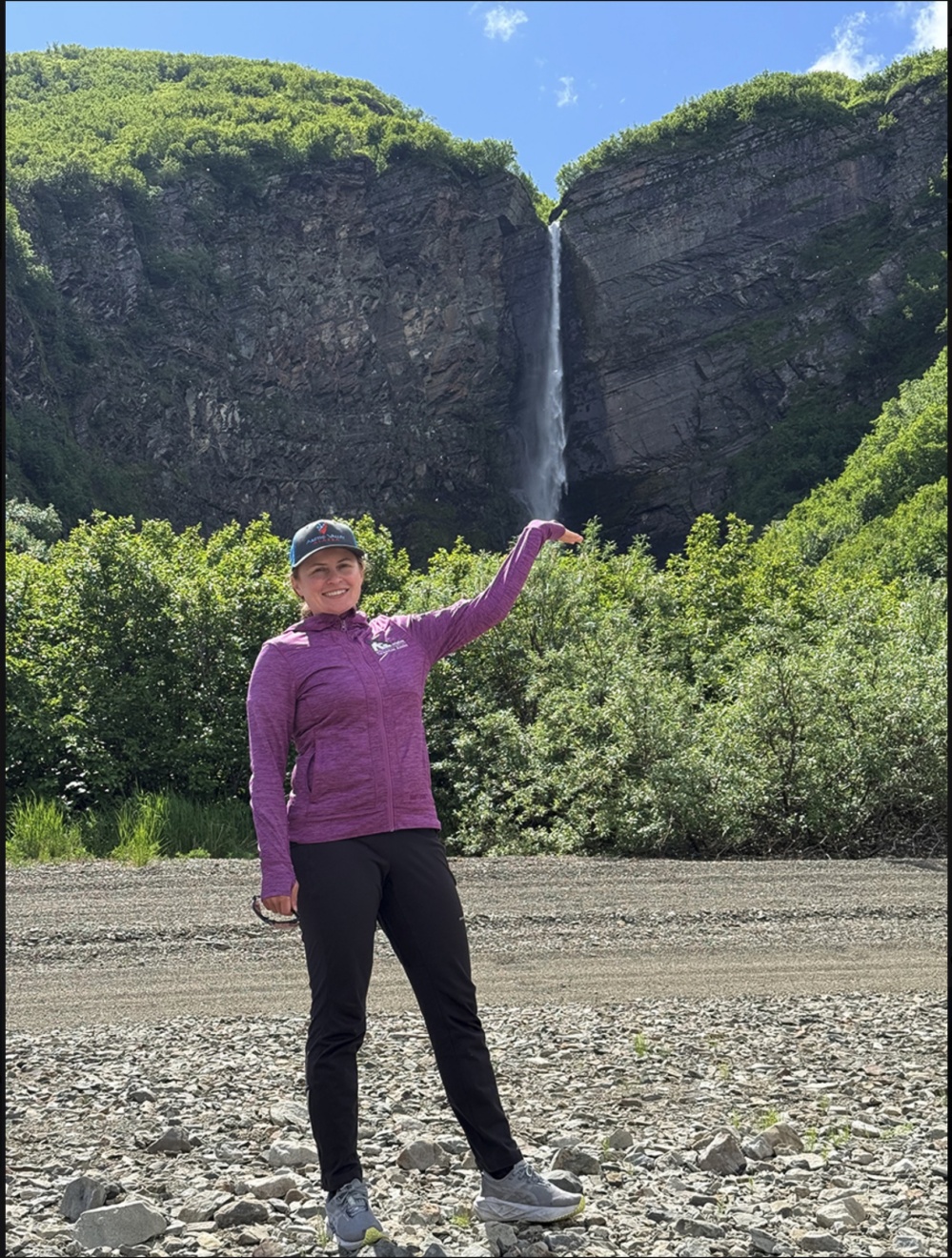
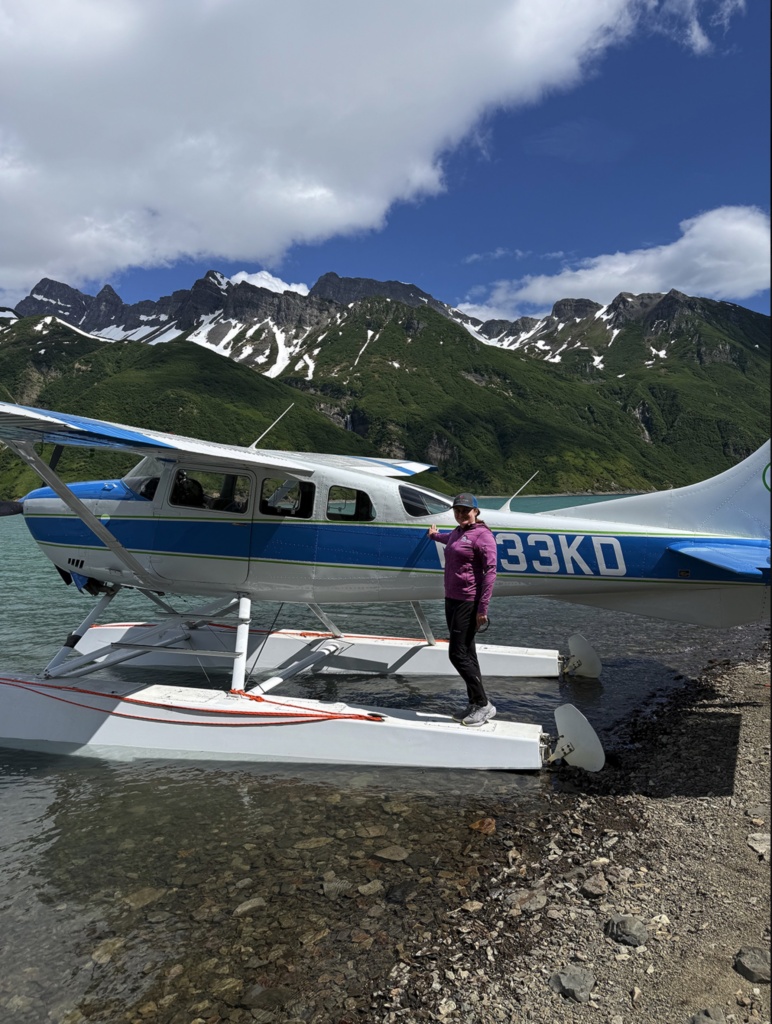
SPECIAL CORRESPONDENT Maria Benner recently traveled to Lake Clark National Park. In her first report, she paddled and camped through Twin Lakes with Alaska Alpine Adventures. Her second report focused on Lake Clark Resort in Port Alsworth. In this final installment, she takes to the air with Lake Clark Resort for its Fire and Ice Tour.
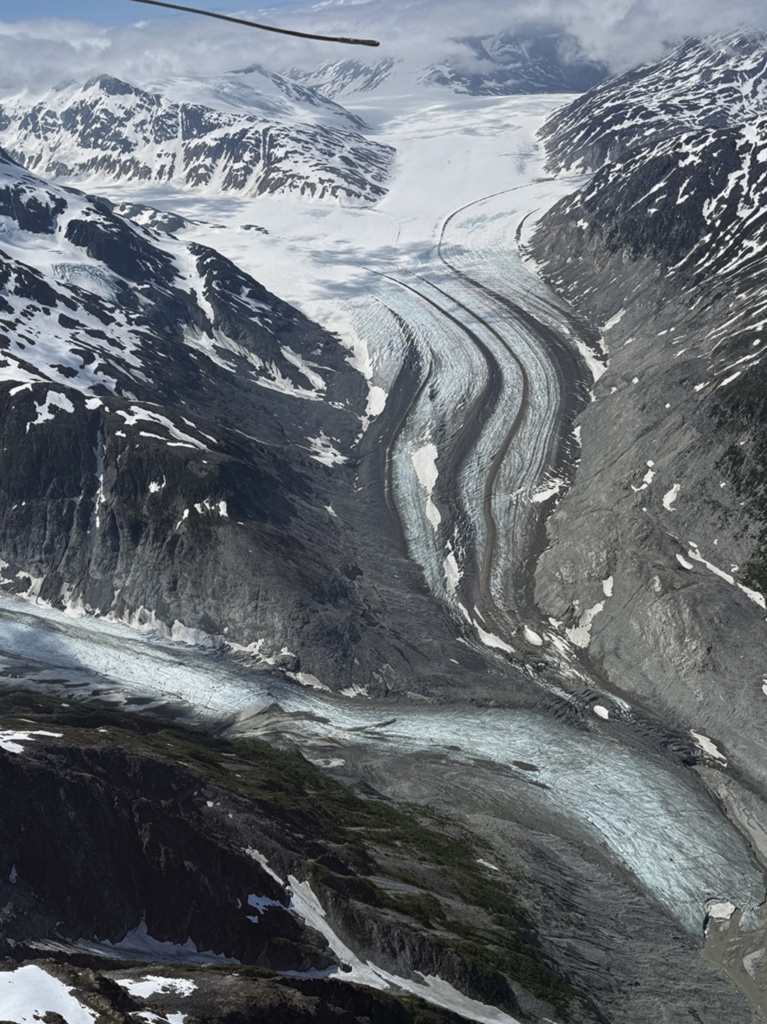
In Lake Clark National Park floatplanes are a main mode of transportation. The park covers more than four million acres, with no roads connecting it to the rest of Alaska. Some of its most remarkable lakes, glaciers, wildlife habitat and volcanic landscapes are separated by enormous stretches of wilderness. Lake Clark Resort’s Fire and Ice Tour is designed to make that vast geography accessible in a single day. Instead of looking down at the park through an airplane window and returning to the same runway, we used the floatplane to land and explore. The route is shaped by the conditions, the wildlife and the pilot’s knowledge of the country.
Our first stop was Kijik Lake, where we climbed out on shore for lunch. Our pilot, Glen Alsworth III, who goes by “Sasha”, brought camp chairs and our lunches for a lovely picnic. As we munched on croissant sandwiches, we peppered him with questions about his life in Port Alsworth. Sasha is the great grandson of Babe Alsworth, who founded Lake Clark Resort with his wife Mary. His father, Glen Jr., landed not far from us in a deHavilland Beaver with another group of visitors who were on a similar tour. After checking out a beaver damn, we climbed back onboard to continue the tour.
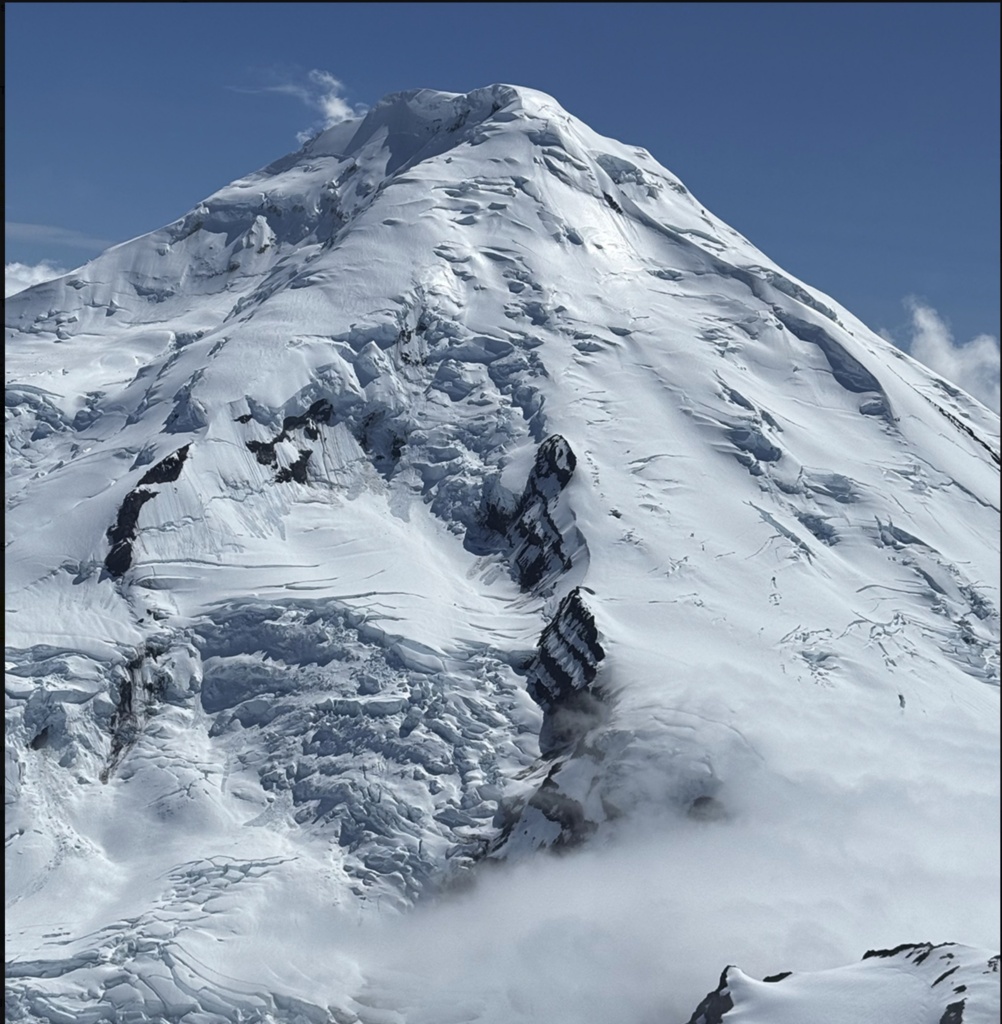
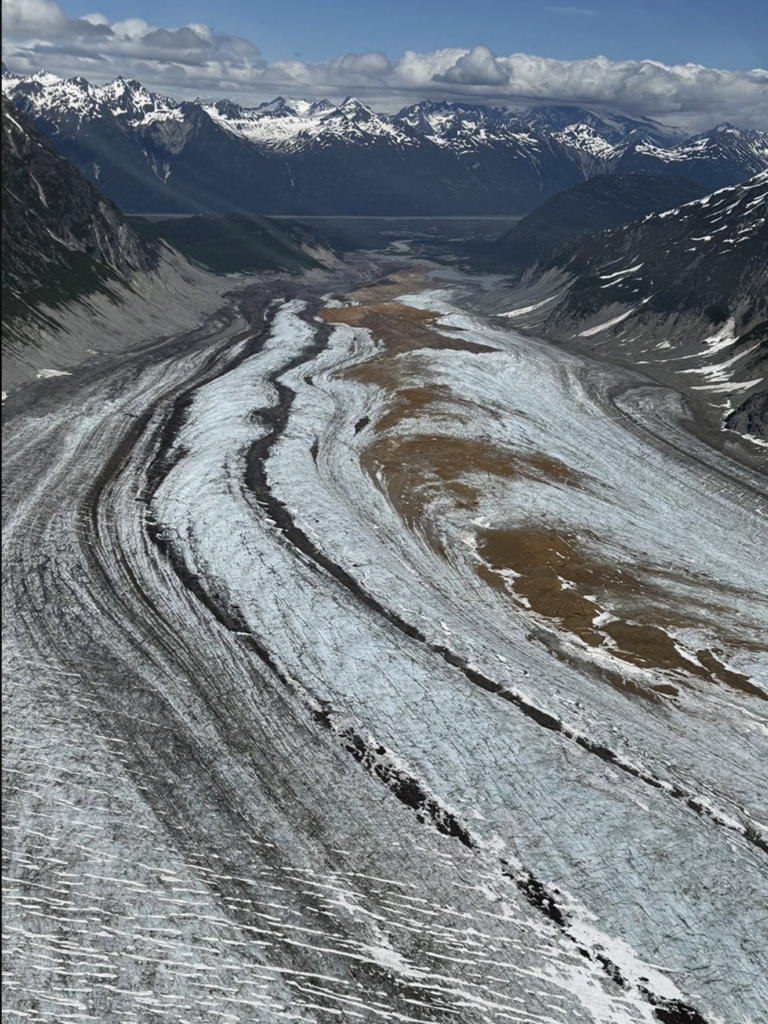
Clear weather gave us a spectacular look at Mount Iliamna. We flew around the volcano with broad views of its snowy slopes and surrounding glaciers. I had never been that high in a floatplane before as we soared up to 6,000ft altitude.
Wildlife sightings are never guaranteed, but our pilot knew where we would have the best chance of seeing bears. He flew us low over the Cook Inlet coast and we spotted one bear after another. I didn’t bother trying to take photos of the bears, because I was having such a good time spotting them. We even saw a blond bear. The plane couldn’t fly too low, because that would disturb the bears, but we were low enough to get a good look at the plump fuzzy creatures. We also got a glimpse of seals before they jumped in the water.
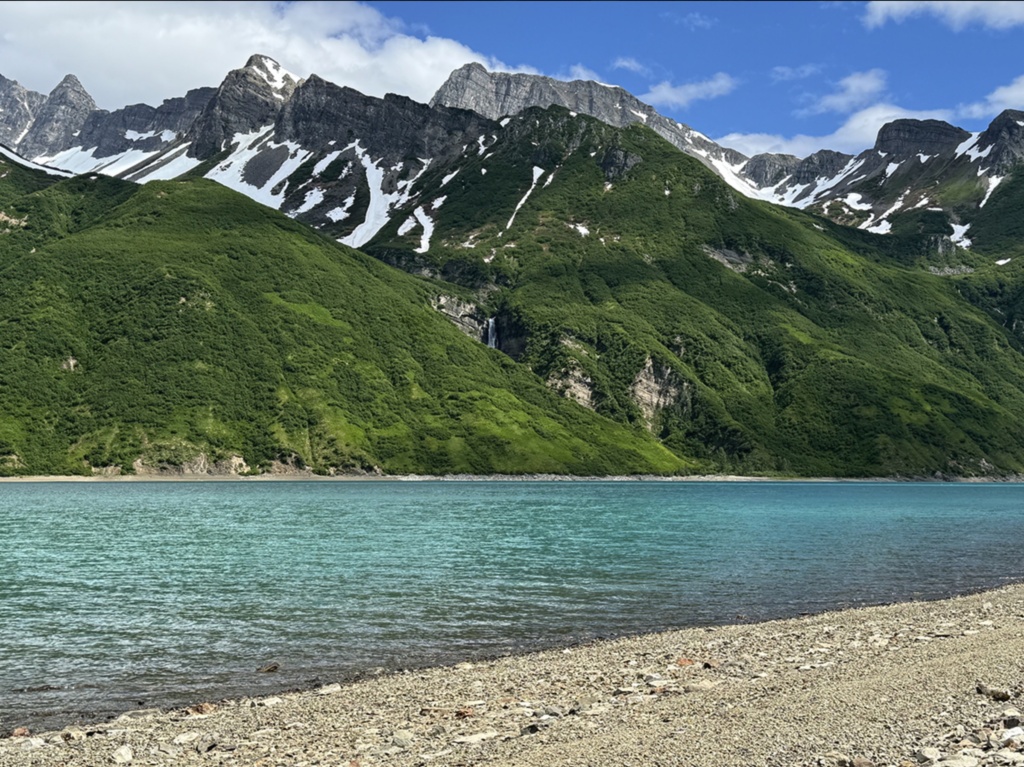
A landing at Hickerson Lake was a nice break for those of us who have to take anti-nausea medication. We landed on intensely blue water with waterfalls cascading down the surrounding mountains. One of the most beautiful lakes I’ve ever seen! Floatplane travel is so different from conventional flightseeing. The airplane allows you to land in impossibly remote landscapes.
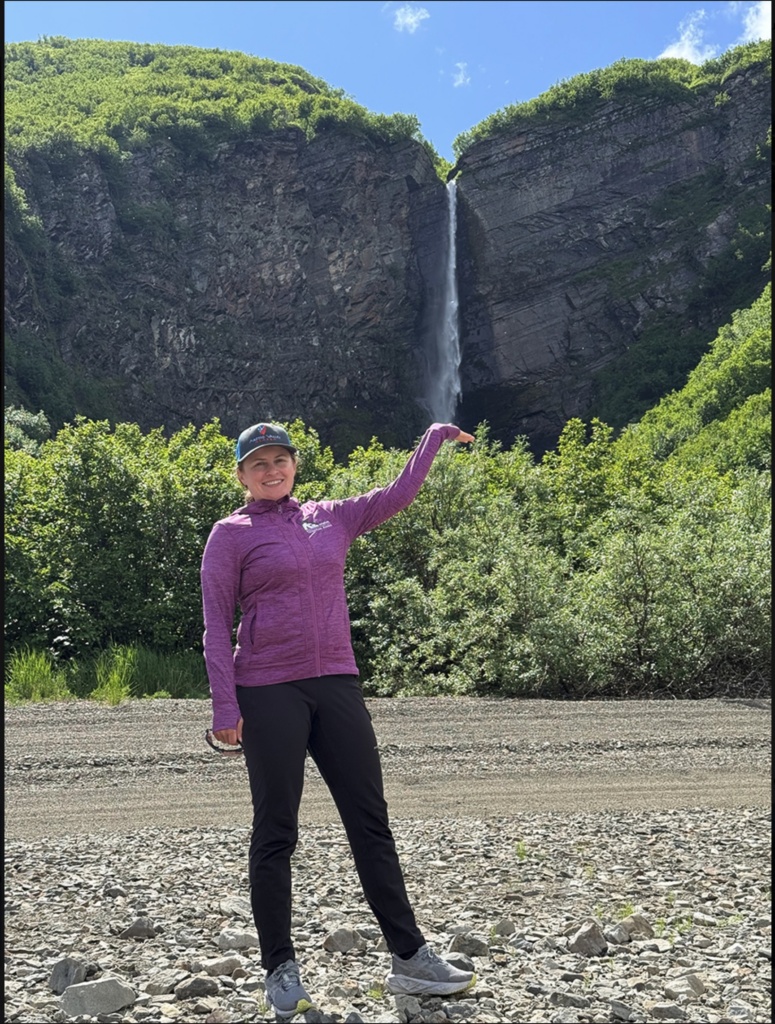
The Fire and Ice Tour also includes a stop at Dick Proenneke’s cabin. I was excited to return for a second visit in one week, because I thought of a few things I forgot to look for on my first visit, and wanted to take more photos. My pal Russell the Park Ranger was definitely surprised to see me back so soon. On the way to the cabin we saw several Dall sheep high on a mountain side.
The Fire and Ice Tour is only one of the many guided experiences offered by Lake Clark Resort. Guests can choose from bear-viewing trips to Katmai National Park, tundra wildlife excursions, catch-and-release fishing, hiking, gold-panning, rafting and boat tours on Lake Clark. One of its most ambitious excursions follows the Bering Sea coastline in search of walruses, whales, bears and other wildlife.
The timing of a visit makes a difference. In June and early July, bear-viewing excursions generally focus on coastal areas where brown bears dig for clams and graze on sedges. During July and August, Brooks Falls becomes a popular destination as bears gather for the salmon run. Later in the season, trips may focus on more remote areas of Katmai National Preserve.
The family operation is an important part of the resort’s success. Aircraft provide the physical access, but generations of experience provide the judgment required to operate in a landscape where weather changes quickly and there are few conventional landing sites.
When I eventually returned to Anchorage, one of the first things I noticed was the noise. Cars accelerated through intersections. Doors slammed. Construction equipment rumbled in the distance. None of these sounds had seemed unusual before I left. The irony is that my day in Lake Clark depended on the engine of a floatplane. But between takeoffs, there had been long stretches with nothing but water, wind and the occasional sound of wildlife.
Share this Post
