
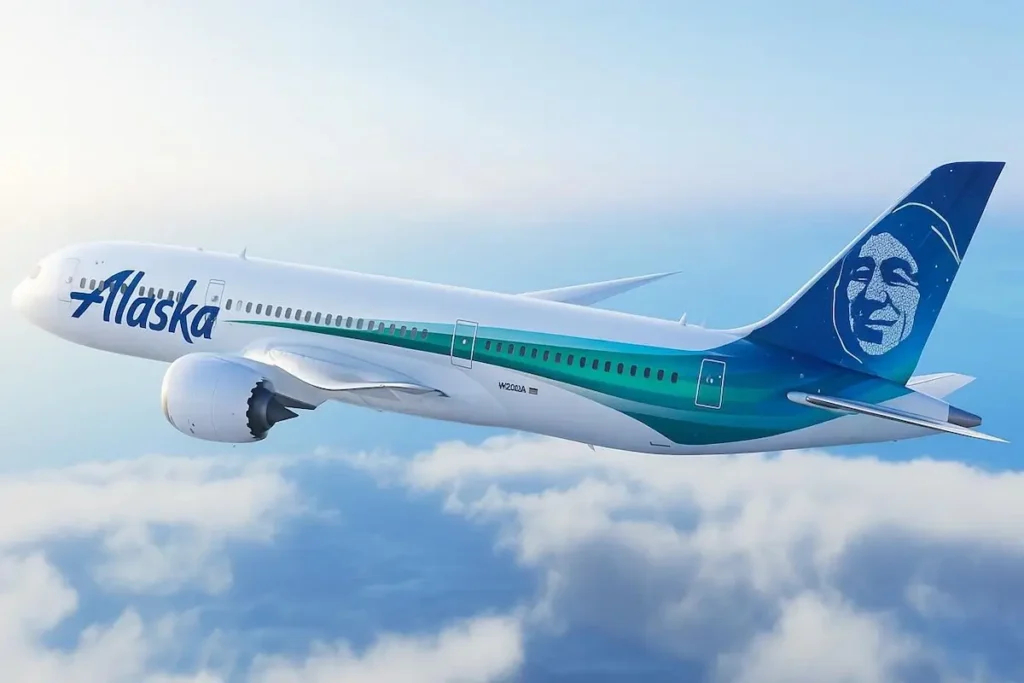
At a big “investor day” event at its Global Training Center near SEA-TAC, Alaska Airlines outlined plans for its new aircraft and suppporting infrastructure.
To review, Alaska Airlines ordered more than 100 of Boeing’s largest version of the 737 aircraft: 737MAX10. These jets have yet to be certified by the FAA. Alaska also has more widebody 787s on order, including some of the larger 787-10 versions.
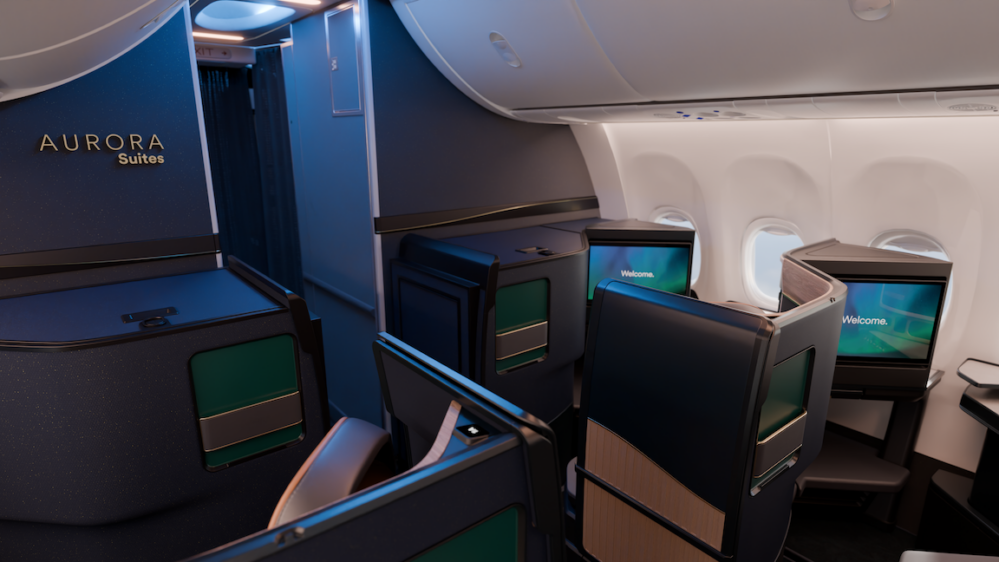
To support this multi-billion-dollar order, Alaska plans to increase its premium-cabin offers. That includes lie-flat seats on its new narrow-body 737MAX10s, as well as a fourth class of service in the cabin: “Premium Reserve.” https://news.alaskaair.com/guest-experience/alaska-airlines-and-hawaiian-airlines-unveil-aurora-and-leihoku/
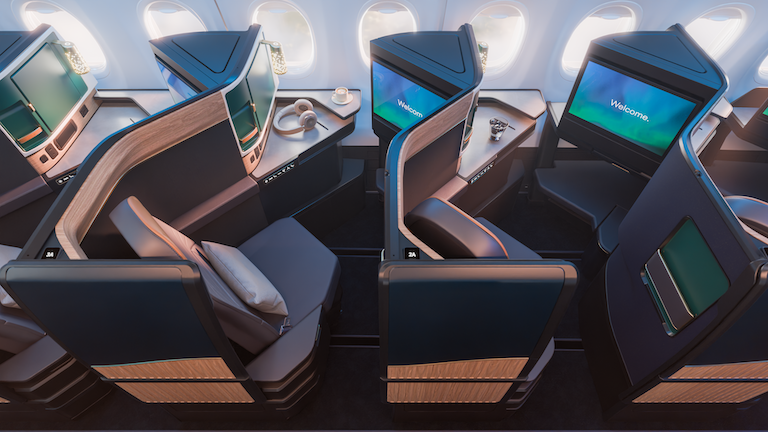
Alaska Airlines also plans to integrate the Premium Reserve seats, which are similar to Alaska’s regular first class seats, into their 787 cabins going forward, in a 2 x 3 x 2 configuration.
While the 737s aren’t yet ready, Alaska Airlines already is building out the airport infrastructure to support its new premium-heavy investment. That includes dedicated first class check-in counters at SEA-TAC, as well as newly remodeled lounges in Seattle, Portland and San Diego.
Plans for the wide-body 787s are well-documented: these are the planes dedicated to international service from the airline’s Seattle hub. Year-round international destinations include Tokyo, Seoul and London. Seasonal summertime flights are scheduled for Rome, Athens and Paris.
The big influx of 737MAX10s are pegged for transcontinental routes from Alaska Air’s west coast hubs to the east coast. Specific routes and destinations were not announced, but Andrew Harrison, Alaska’s Chief Commercial Officer was clear, saying many of the planes were headed to New York. Harrison said Alaska Air was lagging behind competitors in the important premium market.
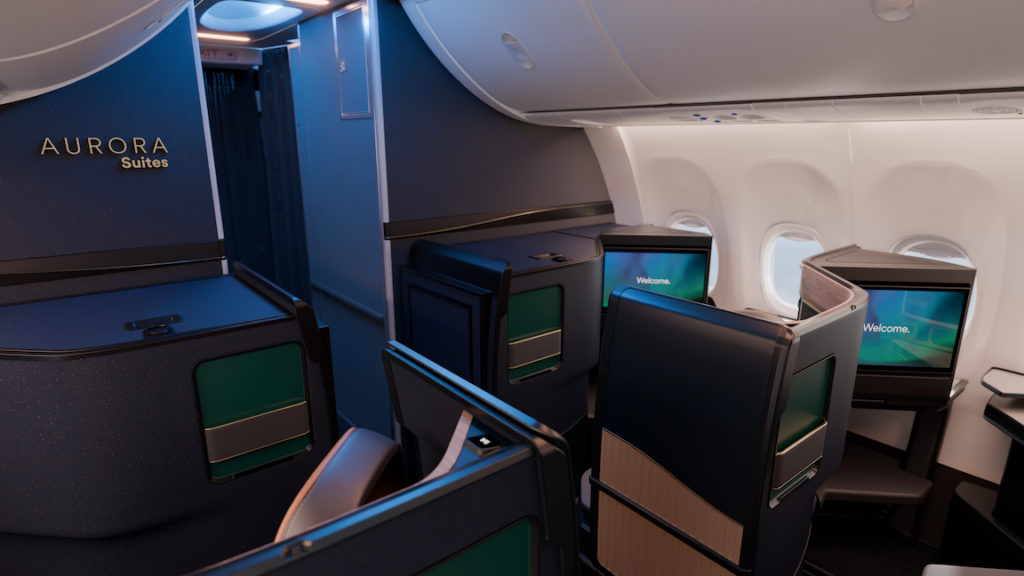
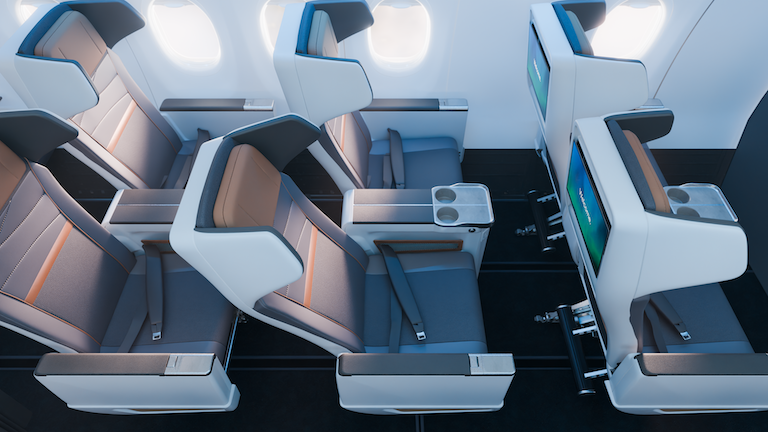
Pending FAA certification, the 737MAX10s will feature 12 “Aurora Suites” in a 1×1 configuration at the front of the aircraft, followed by Premium Reserve seats in a 2 x 2 setup. Further back, the Premium seats with extra legroom are in the standard 3 x 3 configuration. The rest of the plane is filled with economy seating, at 30-31 inch pitch.
The 737MAX10 is a big plane. It’s a heavy one, too, so it doesn’t have the range to serve Alaska’s summer time route between Seattle and Rekjavik, Iceland. Nor can it manage the long seasonal nonstops from Anchorage to JFK or Boston. All of these routes are reserved for the long-distance workhorse of Alaska’s fleet: the 737MAX8.
Harrison did indicate the new planes may touch down in Anchorage on the Anchorage-Seattle run during the summer. While Harrison is hopeful some of the planes will be flying in 2027, the MAX10 still has to be certified by the FAA.
Travelers opting for the fancy Aurora lie-flat seats or the new Premium Reserve cabin will enjoy big video screens to watch selected movies and TV shows. No such luck, though, for passengers in the back. That said, travelers can bring their iPads or phones and stream-their-own with free Starlink service .
Already, Alaska’s E-175 fleet, operated by its subsidiary Horizon Air, boasts the free Starlink service. Many of the new 737MAX8s also now feature the free wi-fi service. The 737-700s are being retired and won’t be fitted for the satellite service.
As part of the fleet upgrade, Hawaiian Airlines aircraft also will get a make-over, including the wide-body Airbus A330-300. The re-do will include a redesigned lie-flat seat, as well as the Premium Reserve cabin.
Alaska Air and Hawaiian previously announced the phase-out of Hawaiian’s interisland fleet of Boeing 717 twin-jets. Alaska’s 737s will replace the older, smaller jets.
This week’s announcements were well-received by local Seattle travelers, but there’s a hint of caution for investors: rising fuel costs. The pain-at-the-pump threatens to dampen Alaska’s ambitious profit guidance as a result of its systemwide premium-facing makeover.
Alaska Airlines reported a second-quarter loss of $76 million.
Share this Post
